
8
Június
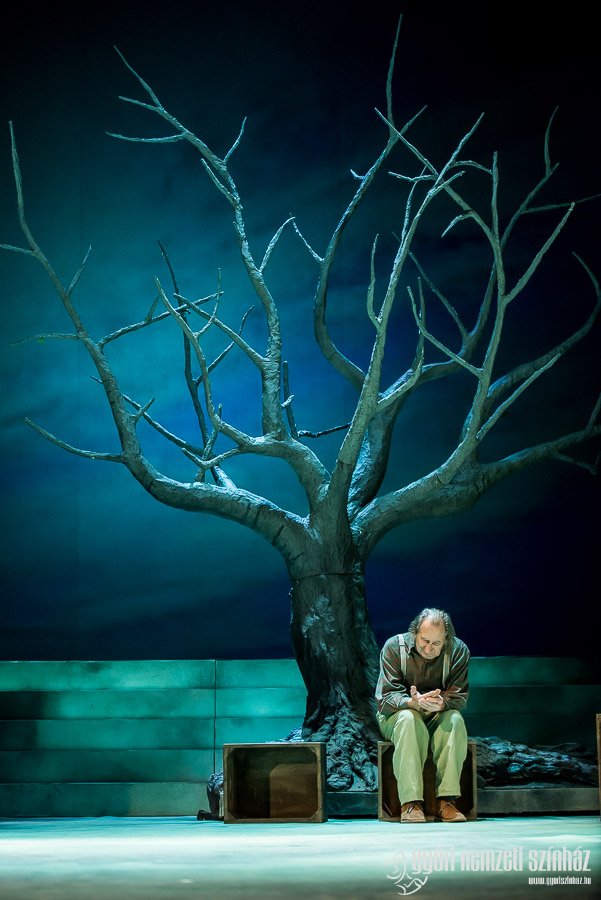
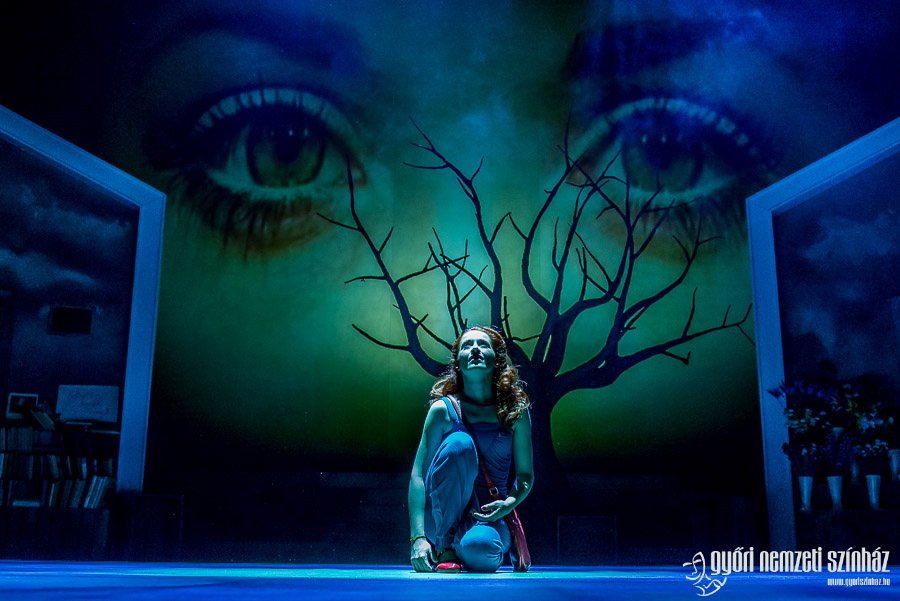
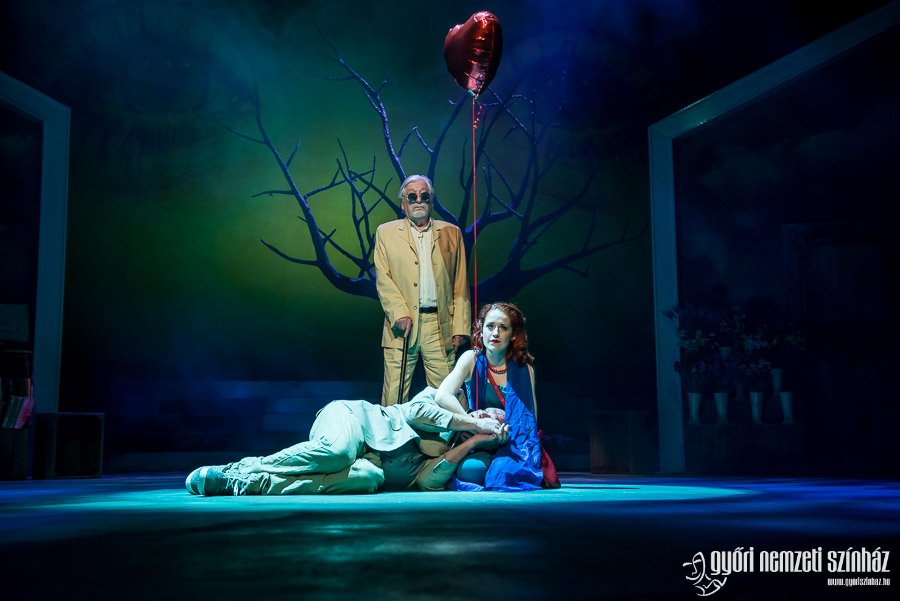
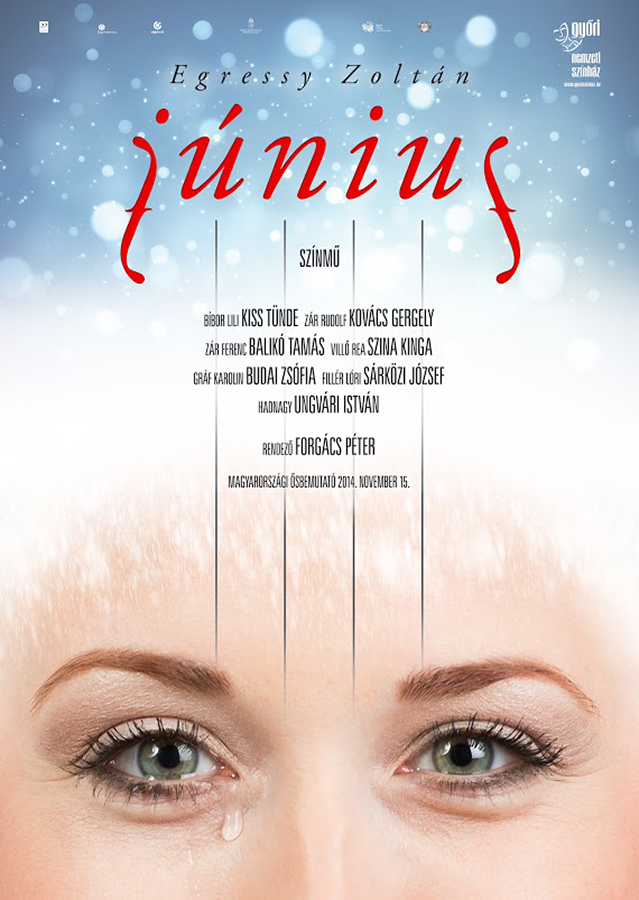
Egressy Zoltán: JÚNIUS
színmű 2 felvonásban
Egressy Zoltán: JÚNIUS
színmű 2 felvonásban
Ön egy múltbeli eseményre keresett rá. Kérjük, válogasson aktuális kínálatunkból a Jegy.hu keresőjében!
Last event date: Sunday, April 12 2015 7:00PM
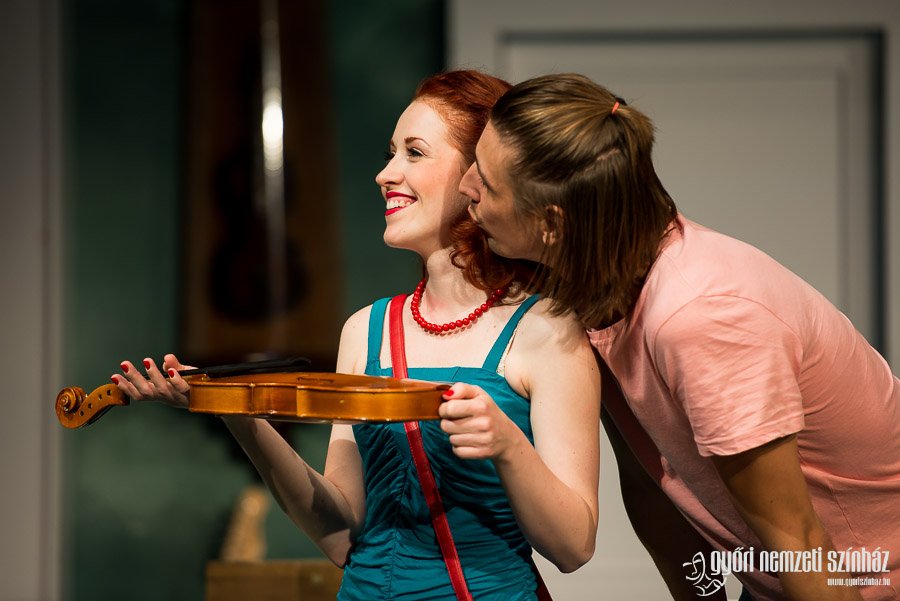
Rudi: Nagyon szép a szád.
Lili: Mondj már jó dolgokat!
Rudi: Most mondtam egy jó dolgot.
Lili: De nem! Hanem amitől megdobban a szíved!
Rudi (gondolkodik): Délután néha eszembe jut, hogy még egy kávét ihatok. Mert hármat iszom egy nap, és ha csak kettő volt, és eszembe jut, akkor megdobban.
Lili (nevet): Ez jó! Még!
Rudi: Múltkor el kellett volna mennem vérvételre. De nem mentem. Az is jó volt. Akkor is megdobbant.
Lili: Még jobb, ha elmész, aztán meg is könnyebbülsz. Még!
A mese most is -mint Egressy sok történetében- férfi és nő bonyolult kapcsolatrendszerére épül, a Júniusban minden szereplő a szerelmet keresi, ennek különböző aspektusait hajszolja, legyen az a testi vagy éppen a spirituális beteljesülés vágya. Megjelenik Bittner, de Egressynél nem először, az emblematikus alak csak az említések szintjén – ezúttal rossz sebészorvosként- idéződik meg. A szél motívum is több más Egressy műhöz fűzi a Júniust, izgalmas az áthallás a legutóbb megjelent két kötettel, a címében is utaló Majd kiszellőztetsz és a legújabb Százezer eperfa című regénnyel.
Mozart was insatiably in love with life. He embraced everything considered “sinful”: wine, cards, billiards. And his passion extended to musical ornaments: flowery acciaccaturas, trills, cadences others dared not risk, and chromatic runs. But there can be no doubt the main objects of his desire were women. He dedicated several of his masterpieces to one or other of his lovers, who were thus immortalised by these concert and opera arias.
Two masterpieces of late 19th-century French sacred music make up the programme of this concert-hall celebration: Gabriel Fauré’s exquisitely beautiful Requiem and the Clovis Mass by the elderly Charles Gounod. Between the movements of the latter work, the audience will also become acquainted with four further gems from the Gallican tradition of church music, with one composition each by Alexandre Guilmant, Louis Aubert, Camille Saint-Saëns and Théodore Dubois.
It could be that even we ourselves often don’t fully comprehend how many ways the digital age has changed our relationship with music. Nevertheless, there remain themes that simply demand an analogue, more traditional approach. Active since the ’10s, singer-songwriter Gergő Szakács has transitioned over the years from monumental pop sounds to more intimate, live instrumental productions, and this journey will reach its next important milestone at Müpa Budapest.
Emmet Cohen has clearly got what it takes. It goes without saying that he is a brilliant pianist who knows…
Andonis Foniadakis’ latest choreography, created for Ballet Pécs, explores Baroque themes in a dynamic and deeply expressive way, and from…
Many people were surprised when, after a successful two-year streak during which they won the A38 talent competition known as…
item(s) in basket
total:
Time limit has expired. Please, put item(s) in to basket again.