2
Tangó 33.
Slawomir Mrozek: TANGÓ
tragikomédia két részben
Fordította: Kerényi Grácia
more
Slawomir Mrozek: TANGÓ
tragikomédia két részben
Fordította: Kerényi Grácia
more
Ön egy múltbeli eseményre keresett rá. Kérjük, válogasson aktuális kínálatunkból a Jegy.hu keresőjében!
Last event date: Saturday, March 11 2017 7:00PM
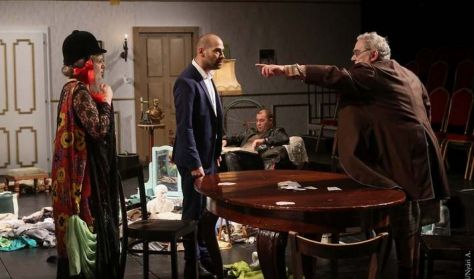
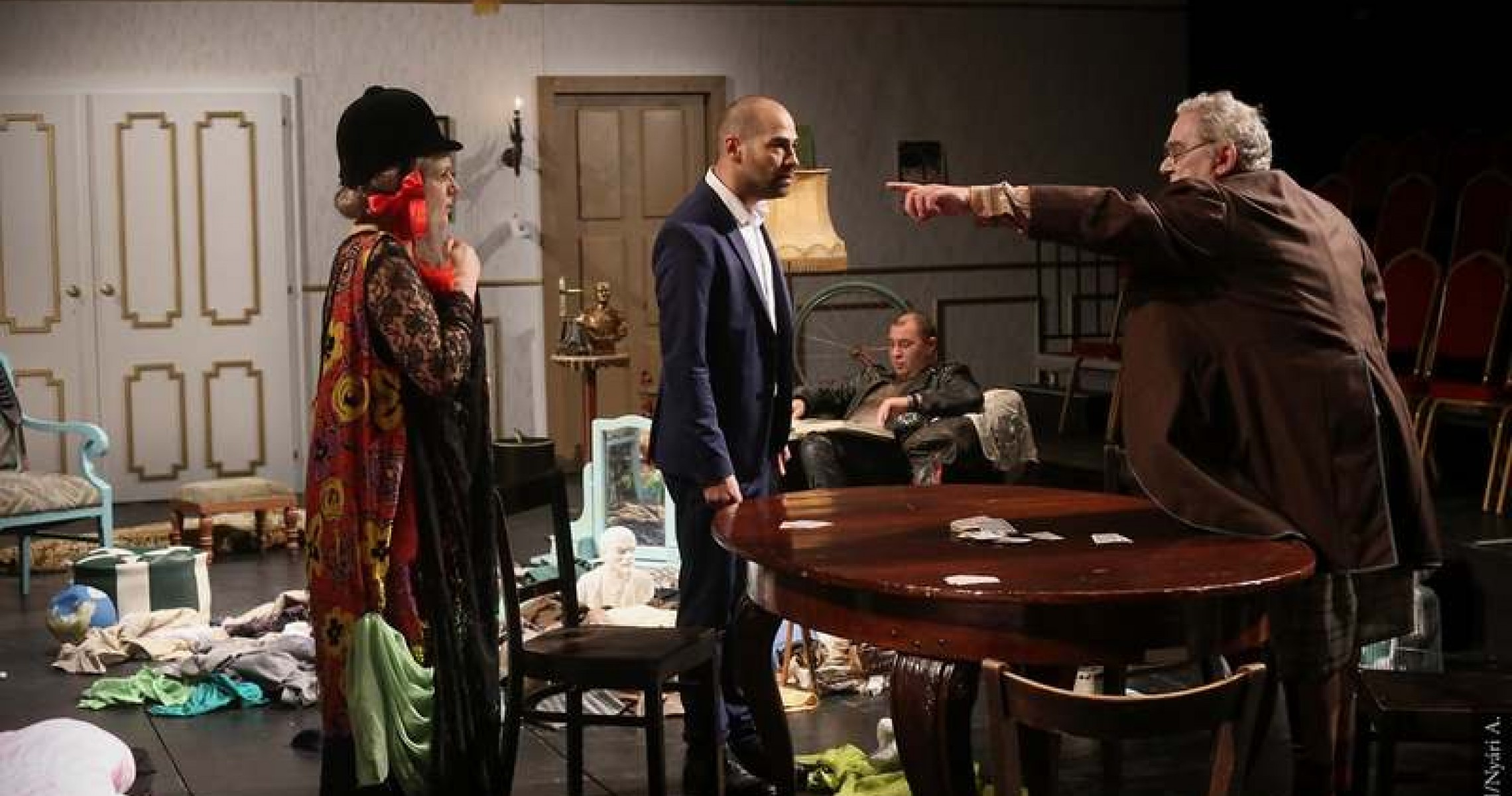
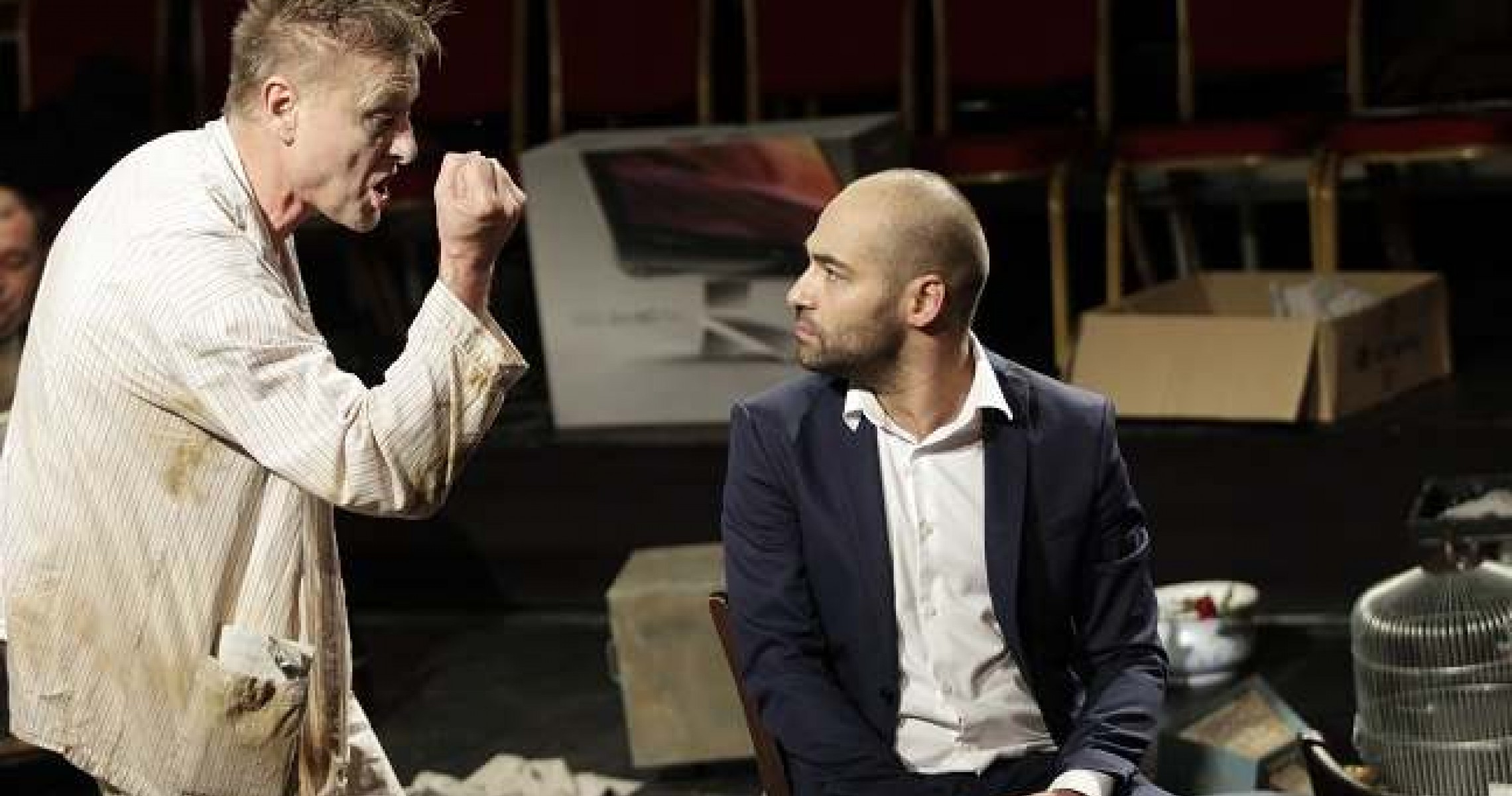
Nem kevesebbre vállalkozik az író, mint hogy parodisztikus elemekkel teletűzdelt, meghökkentő fordulatokban bővelkedő groteszk-költői játékban ábrázolja a XX. századi történelem, társadalom és életforma bonyolult változásait. Három nemzedék három történelmi korszak: nagyapáink immár poros, megalkuvásokkal terhes, nevetségesen szolgalelkű világa, apáink bukott forradalmi illúziói, zagyva handabandázásba menekülő jövőtlensége, és az ifjú generáció – hamleti töprengésekkel teli –, a világot „kizökkent" állapotából a rend újbóli visszaállításával megmenteni akaró bohóctréfái.
A három nemzedék konfliktusa tehát abszurd családi komédia: a fasizmus, a terrorizmus veszélyeire figyelmeztető tragikomédia.
A többrétegű, sokfajta asszociációt ébresztő játék elgondolkoztathatja nézőit, miközben jól szórakoztatja is őket. Olyan mű, melynek élményét hazaviheti magával a néző.
Theatre? Cinema? A concert? How about all three at once? Bori Péterfy has been a key figure in the Hungarian underground scene ever since the late ‘80s. She has amassed a series of acting credits for memorable roles at both independent and traditional theatres, while simultaneously gaining iconic status in the country’s music scene as a performer with Amorf Ördögök and, later on, Love Band.
What's wrong with Steve Vai or Joe Satriani playing Beethoven or Paganini on an electric guitar? (Or Itzhak Perlman playing a musical?) It’s just artistic crossover, right? Or might it be something else?
At every stage in his career, Nikolas Takács has consistently delivered an exciting combination of unique musical inspiration and independent artistic exploration. Born into a musical family in Galanta (now Slovakia) in 1986, he won his first talent contest at the age of ten. This was followed by formal music training and a long succession of solo concerts. His style, which fearlessly blends jazz, soul and pop, firmly positions him as one of the most multifaceted performers in Hungarian popular music today.
Program Dvořák: Symphony No. 7 in D minor, Op. 70 interval Bartók: Bluebeard’s Castle, Op. 11, Sz. 48, BB 62
The release of the volume A bilincs a szabadság legyen (‘Let the Shackles Be the Freedom’), a collection of the…
What would happen if Sándor Petőfi were to write János Vitéz right here and now, before our very eyes? In…
item(s) in basket
total:
Time limit has expired. Please, put item(s) in to basket again.